Free Architectural Profession Job Work Review
As a designer who has spent years translating digital files into tangible stitched goods, I approach every new asset with a critical eye. The market is flooded with generic graphics, but finding a piece that balances professional appeal with technical embroidery feasibility is rare. Today, I am evaluating the Free Architectural Profession Job Work design. This isn't just about downloading a file; it is about understanding how this specific Graphics asset translates from a screen to a hoop, and ultimately, to a finished product that customers will value.
First Impressions: Structure and Visual Weight
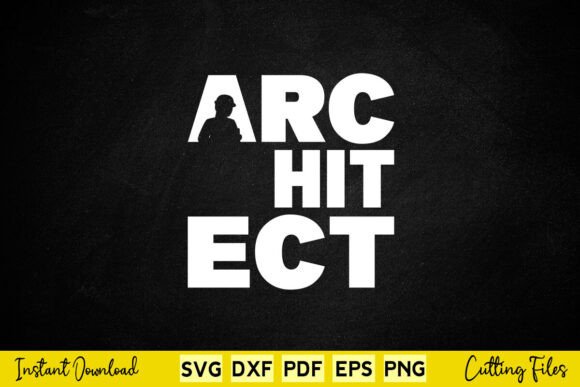
When I first opened the preview for Free Architectural Profession Job Work, the immediate impression was one of structured elegance. The theme leans heavily into the precision associated with architecture, using clean lines and geometric forms that suggest stability and creativity. For an embroidery project, this is promising. Unlike overly ornate floral patterns that can get lost in dense stitching, this design relies on bold shapes that should translate well into a machine embroidery design.
The layout feels balanced, which is crucial when you are planning placement on custom apparel or home decor. It doesn't scream for attention with chaotic details; instead, it offers a sophisticated look suitable for branding or personalized gifts. However, as any experienced crafter knows, what looks crisp on a monitor can sometimes struggle under the needle. The visual personality here suggests a modern, professional aesthetic, making it an excellent candidate for items like tote bags, aprons, or even high-end sweatshirt embroidery where a subtle yet distinct logo is required.
Real-World Application: From File to Fabric
To truly test the viability of Free Architectural Profession Job Work, I imagined a specific scenario: preparing a custom embroidered patch for a local boutique's holiday collection. The goal was to create a limited-edition gift item for architects and designers. In this context, the design needed to hold up against frequent washing and maintain its shape on a textured fabric like canvas or heavy cotton twill.
When considering the stitch density, designs with architectural themes often rely on a mix of fill stitch for solid areas and running stitch or fine satin lines for outlines. If the file is optimized correctly, the result should be a smooth, professional finish. I would anticipate using this on a dark-colored hoodie or a neutral-toned pillow cover. The contrast provided by light thread colors against a dark background would likely make the geometric lines pop, enhancing the overall visual appeal of the finished product.
For Etsy sellers and small shop owners, the versatility of this design is a major selling point. It fits naturally into the Crafts category, bridging the gap between a simple graphic and a complex textile art piece. Whether used as a tote bag design for a craft fair or as a decorative element on a kitchen towel, the design maintains a sense of professionalism that elevates the perceived value of the handmade item.
Technical Considerations for Embroidery Designers
Before committing to a production run, there are several technical hurdles to clear. First, always test the design on scrap fabric. Even if the embroidery file appears perfect digitally, the physical interaction between the needle, thread, and stabilizer can reveal issues. With Free Architectural Profession Job Work, pay close attention to the corners and intersections of the architectural lines. Sharp angles can sometimes cause puckering if the hoop size is too small or if the tension is off.
Thread color selection is another critical factor. While the design works well in monochrome, experimenting with contrasting thread colors could add depth. For instance, using a metallic thread for the outlines against a matte fill could mimic the sheen of glass and steel found in actual architecture. However, avoid over-complicating the palette. The strength of this design lies in its clarity. Too many color changes can disrupt the flow of the stitch density and increase the risk of thread breaks during the run.
If you plan to use this on stretchy fabrics like jerseys for baby embroidery or athletic wear, be extremely cautious. The rigid nature of architectural lines may not drape well with the fabric. In such cases, a strong cut-away stabilizer is non-negotiable to prevent distortion. Conversely, on stable surfaces like denim or canvas, the design should perform admirably, offering a crisp look that stands up to wear and tear.
Where Caution is Required
While Free Architectural Profession Job Work is versatile, it is not a universal solution. There are specific scenarios where this design might struggle. Small hoop sizes are a primary concern. If the design contains tiny lettering or intricate details within the architectural elements, shrinking it down to fit a 4x4 hoop could result in a muddy, illegible mess. Always check the minimum recommended size before attempting to scale it down.
Textured fabrics present another challenge. On boucle, velvet, or highly napped materials, the fine lines of the design might get swallowed by the fabric pile. In these instances, the design might work better as an applique design rather than direct stitching, allowing the fabric itself to define the shape while the embroidery provides the outline.
Additionally, consider the end-user's lifestyle. If you are creating a personalized gift for someone who washes their clothes frequently, ensure the thread type and backing are durable. Delicate threads might fray over time, ruining the professional look of the commercial embroidery project. Dark fabrics also require careful planning; without proper underlay stitches, the design might appear faded or translucent.
Business Value and Customer Perception
For creative entrepreneurs and digital product sellers, the choice of design directly impacts brand consistency and customer trust. Using a high-quality asset like Free Architectural Profession Job Work signals attention to detail. Customers buying a handmade product expect precision. A sloppy stitch job or a design that distorts easily can damage your reputation as a maker.
This design has the potential to enhance buyer engagement because it appeals to a specific niche—professionals in architecture and design. By targeting this demographic with relevant imagery, you create a stronger emotional connection. When a customer sees a design that reflects their profession on a sweatshirt embroidery or a custom apparel item, they are more likely to perceive it as a premium gift.
Furthermore, for those selling digital assets, ensuring that the digital embroidery file is compatible with various machines is essential. While the description mentions it is a digital product, always verify the file formats supported by your target audience's machines. Providing clear mockups, both in black and white and in color, helps buyers visualize the final result, reducing return rates and increasing satisfaction.
Final Verdict for Makers and Designers
In conclusion, Free Architectural Profession Job Work is a robust addition to any embroidery library, provided it is used with intention and technical care. It offers a unique blend of professional aesthetics and practical application, making it ideal for holiday embroidery projects, boutique merchandise, and personalized gifts. Its clean lines and structured form allow it to stand out without overwhelming the garment or accessory.
However, success depends on preparation. Test on scraps, choose the right stabilizer, and respect the limitations of different fabrics. If you follow these guidelines, this design can become a staple in your craft business, helping you deliver high-quality, memorable products that resonate with your customers. Whether you are a hobbyist creating a one-off gift or a seller scaling up for a holiday rush, this asset offers the potential for beautiful, professional results when handled by a skilled hand.