Review: Body by Ramen Japanese Noodle Lover Svg
As a designer who spends half my life digitizing and the other half stitching, I have learned that not every graphic translates well to thread. When I first pulled up the Body by Ramen Japanese Noodle Lover Svg, my initial reaction was one of cautious optimism. The concept is undeniably charming—tapping into the universal love for comfort food with a playful, fitness-parody twist. However, moving from a flat vector graphic to a tangible, stitched reality requires a critical eye. This review breaks down how this design performs in real-world embroidery scenarios, helping you decide if it belongs in your next custom apparel line or handmade gift collection.
First Impressions: Mood and Visual Personality
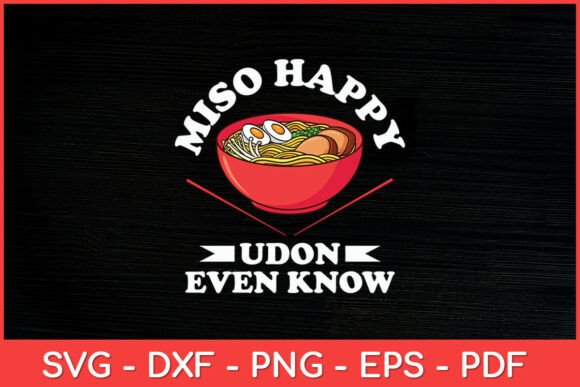
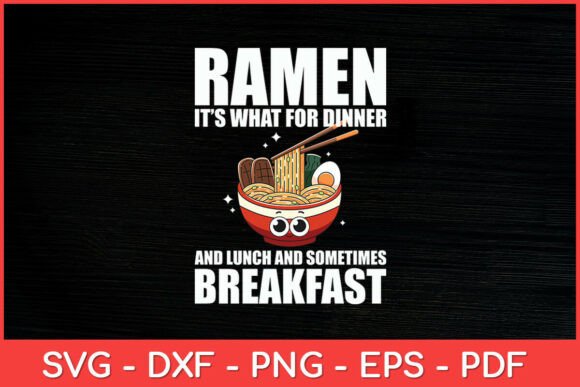
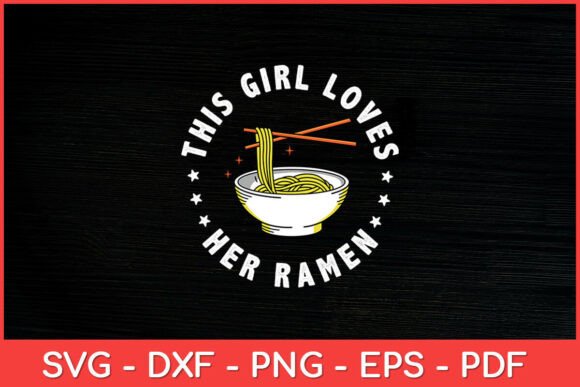
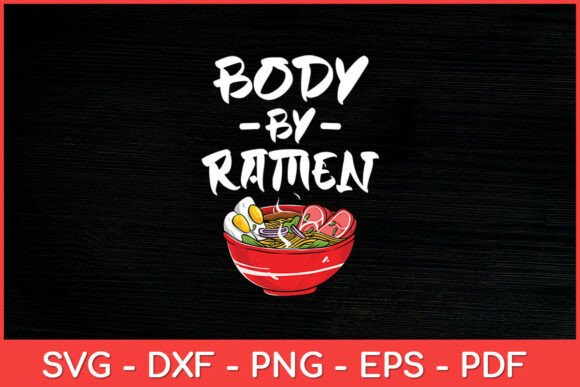
The immediate appeal of this design lies in its humor and cultural relevance. It captures a specific, relatable mood that resonates with foodies, anime fans, and anyone who finds joy in a hot bowl of noodles. Visually, the layout tends to be bold and centered, which is ideal for embroidery because it minimizes the risk of losing delicate details during the stitching process. The typography usually paired with this motif is thick and legible, a crucial factor when working with thread rather than ink. For an embroidery project, clarity is king. If the lines are too thin, they disappear into the fabric; if they are too dense, the garment puckers. This design strikes a balance that suggests it was created with cutters in mind, but with some digital preparation, it serves as a strong foundation for stitch work.
Real-World Application: From Digital File to Finished Product
Let’s talk about where this design actually shines. I recently considered using a similar noodle-themed graphic for a custom tote bag order, and the Body by Ramen Japanese Noodle Lover Svg would be a perfect candidate for this application. Tote bags offer a stable, flat surface with enough room for a medium-to-large hoop size. The bold lines of the ramen bowl and the accompanying text would stand out beautifully against canvas or heavy cotton.
Beyond totes, this design has significant potential in the realm of custom apparel. Imagine this stitched onto the back of a oversized sweatshirt or the chest of a fitted t-shirt. For sweatshirt embroidery, the texture of the fleece provides a lovely contrast to smooth satin stitches, giving the finished product a premium, boutique feel. It also works wonderfully for personalized gifts. A client looking for a unique birthday present for a college student or a young professional who lives on takeout would find this both funny and thoughtful. It transforms a simple garment into a conversation piece, adding value to your handmade product beyond just the cost of materials.
Navigating Technical Challenges in Embroidery
While the design is visually strong, we must address the technical realities of converting a cutting file into a machine embroidery design. Since the product description notes this is an instant download file intended for cutting machines like Cricut Explore, Silhouette Cameo, and others, it is likely provided in formats such as SVG, DXF, or PNG. It is not necessarily a pre-digitized embroidery file with assigned stitch types.
This distinction is vital. If you plan to use this for commercial embroidery, you cannot simply load an SVG into your embroidery machine. You must digitize it or hire a digitizer. When doing so, pay close attention to stitch density. The "noodle" elements, if depicted with many individual lines, can become a nightmare of thread breaks and bird nests if not simplified. I recommend converting complex noodle clusters into fill stitches or simplified satin columns rather than trying to stitch every single strand. Additionally, check the lettering. Small text often needs to be enlarged or switched to a simpler font to ensure readability after stitching.
Fabric choice plays a massive role here. On textured fabrics like terry cloth towels or rough linen, fine details get lost. This design is best suited for smooth, stable fabrics like cotton twill, denim, or high-quality jersey. If you are attempting this on stretchy fabric, a cut-away stabilizer is non-negotiable to prevent distortion. For dark fabrics, consider using a lighter thread color for the outline or backing to ensure the design pops, or opt for a high-contrast thread palette like bright reds and yellows against navy or black.
Commercial Viability and Brand Consistency
For Etsy sellers and small shop owners, this design fits neatly into the "quirky lifestyle" niche. It appeals to a demographic that values humor and authenticity. When used in a craft business, consistency is key. If your brand focuses on minimalist, elegant designs, this might feel out of place. However, if your shop specializes in pop culture, foodie humor, or vibrant streetwear-inspired items, this asset aligns perfectly. It enhances buyer engagement because it is instantly recognizable and shareable on social media.
Before listing any finished products, you must verify the licensing terms. Just because a file is labeled for cutting machines does not automatically grant commercial rights for embroidered goods. Always read the creator’s license agreement. If commercial use is permitted, this design can be a low-risk, high-reward addition to your inventory. It works well for holiday embroidery gifts, particularly for friends who appreciate inside jokes, or as part of a larger collection of kitchen-themed decor like aprons and tea towels.
Practical Designer Notes for Best Results
To ensure your final output meets professional standards, follow these practical steps before committing to a full production run:
- Test on Scrap Fabric: Never stitch directly on your final garment. Use a similar weight and weave of scrap fabric to test tension and registration.
- Check Thread Contrast: View your design in black and white on your screen. If the elements blend together, adjust your thread colors to ensure each part of the ramen bowl and text is distinct.
- Simplify Details: If digitizing yourself, reduce the number of stitch points in the noodle areas. Too much density leads to stiff, heavy patches that may peel or crack over time.
- Verify Hoop Size: Ensure the design fits comfortably within your standard hoop sizes without requiring excessive re-hooping, which can cause alignment issues.
- Inspect Small Text: If the design includes small taglines, consider removing them or enlarging them. Tiny lettering is the first thing to fail in washing and wearing.
- Use Proper Stabilizer: Match your stabilizer to your fabric. Tear-away for stable woven fabrics, cut-away for knits and stretchy materials.
In conclusion, the Body by Ramen Japanese Noodle Lover Svg is a versatile graphic with strong commercial potential for the right audience. While it requires careful digitization and technical consideration to transition from a cutting file to a quality embroidery asset, the end result can be a standout piece in any handmade collection. By respecting the limitations of thread and fabric, you can turn this fun graphic into a durable, high-value product that customers will love to wear and display.