YOU BELONG with ME Valentine T-shirt Review
As a designer who has spent years turning digital files into tangible, stitched memories, I approach every new machine embroidery design with a mix of excitement and skepticism. The market is flooded with generic graphics, but finding a piece that truly translates well from screen to fabric requires a keen eye. Today, I am putting the YOU BELONG with ME Valentine T-shirt through its paces. This isn't just about looking at a pretty image; it is about understanding how this specific embroidery file behaves when you actually sit down at your machine to create a finished product.
First Impressions: Mood and Visual Personality
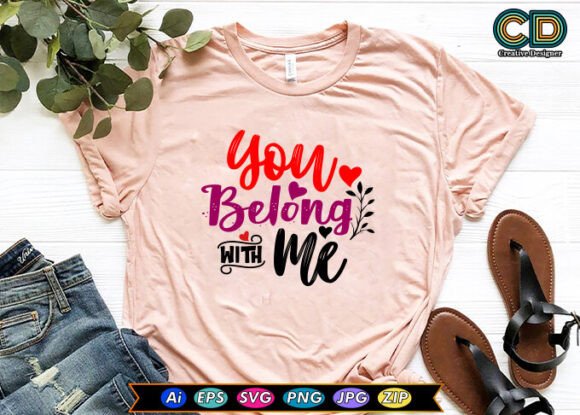
When I first opened the preview for YOU BELONG with ME Valentine T-shirt, the immediate reaction was warmth. In the world of Crafts, especially during the holiday season, sentimentality sells. The typography is clean, avoiding the cluttered, over-decorated styles that often fail in high-density stitching. The phrase itself, "You Belong With Me," carries an emotional weight that resonates deeply with couples, families, or even friends celebrating long-distance relationships.
Visually, the layout feels balanced. It does not scream for attention in a chaotic way; instead, it invites a closer look. For a small shop product or a boutique item, this subtlety is a strength. It suggests quality rather than mass production. However, as a professional reviewer, I immediately started thinking about the technical execution. How will the curves of the letters hold up? Will the spacing remain consistent across different fabric textures? These are the questions that separate a hobbyist project from a profitable commercial embroidery venture.
Real-World Application: From File to Fabric
Let's imagine a real scenario. You are an Etsy seller preparing for the Valentine's Day rush. A customer orders a custom embroidered tote bag for their partner. You decide to use the YOU BELONG with ME Valentine T-shirt design because it fits the brief perfectly. You load the digital embroidery file into your software. The vector lines are crisp, which is promising. But the real test happens when you hooped the canvas.
In my experience, text-heavy designs like this one work exceptionally well on structured items. Think about a heavy cotton tote bag design or a thick fleece sweatshirt embroidery project. The stability of these materials allows the fill stitch to settle evenly without puckering. If you were to apply this same design to a thin, stretchy jersey knit, you would need to be incredibly careful with your stabilizer choice. Without adequate backing, the tension from the running stitch outlining the letters could distort the fabric, making the message unreadable.
I also see great potential here for personalized gift creation. Imagine a nursery setting where a parent wants to add a sweet touch to a pillow cover or a blanket. The gentle nature of the phrase makes it suitable for baby embroidery projects, provided the thread colors are soft and the stitch density is adjusted so the back of the fabric remains comfortable against skin. For a holiday embroidery collection, this design could serve as a central motif on aprons, kitchen towels, or even as an embroidered patch that customers can iron onto denim jackets.
Navigating Technical Challenges
While the design is versatile, there are specific areas where caution is required. One major concern with any text-based graphic is the hoop size. If you attempt to shrink this design too much to fit a 4x4 hoop, the legibility of the words "You Belong With Me" will suffer. Tiny lettering often results in gaps in the fill or broken outlines, which looks unprofessional on a custom apparel item. Always check the minimum recommended size before committing to a small format.
Fabric texture is another critical factor. On a textured surface like a towel or a boucle jacket, the Graphics might lose some definition. The raised loops of the fabric can interfere with the needle placement, causing skipped stitches or uneven color coverage. In these cases, using a water-soluble topping along with a cutaway stabilizer is non-negotiable. Additionally, if you plan to use this on dark fabrics, ensure you have enough layers of underlay to prevent the background color from showing through the white or light-colored thread.
Another consideration is the frequency of washing. If you are selling handmade products like baby clothes or everyday t-shirts, the design must withstand repeated laundering. Dense satin stitch areas can sometimes crack or break if the thread tension is too tight. When testing the YOU BELONG with ME Valentine T-shirt design, always run a sample on scrap fabric and wash it several times. Check for any signs of fraying or shifting. This step builds customer trust and ensures your brand reputation remains intact.
Design Assets and Workflow Integration
One of the most valuable aspects of this offering is the variety of formats included. Receiving a High Quality Jpg, Editable Ai, Svg, Eps, and transparent Png gives you flexibility beyond just embroidery. As a creative entrepreneur, I often need to create printable mockup images for social media before I even stitch the physical item. Having an editable vector file means I can adjust the color palette to match my brand identity or a client's specific request without losing resolution.
For those running a craft business, these design assets streamline the workflow. You can quickly generate marketing materials, update your website listings, or create promotional content for upcoming sales. The ability to edit the file allows you to tweak the kerning or font weight slightly if needed for a specific application, ensuring the final result is perfect every time. This level of control is essential for maintaining brand consistency across all your small shop merchandise.
Practical Designer Notes for Success
Before you finalize your order or start stitching, keep these practical tips in mind. First, always test the design on scrap fabric first. Even if the preview looks perfect, your machine settings, needle type, and thread brand can alter the outcome. Second, pay close attention to thread colors. High contrast is key for readability, but consider the emotional tone. Soft pastels might work better for a romantic gift, while bold reds and blacks could suit a modern streetwear aesthetic.
Third, review the stitch density in your embroidery software. Sometimes, default settings are too dense for certain fabrics, leading to stiffness. Thinning out the fill in specific areas can improve drape and comfort. Fourth, confirm your licensing terms. While this design is excellent for personal use and creating finished products to sell, ensure you understand the rules regarding reselling the digital embroidery file itself. Most commercial licenses allow you to sell the stitched item but not the raw file.
Finally, think about the overall presentation. How will this design elevate the perceived value of your product? A well-executed YOU BELONG with ME Valentine T-shirt project can transform a plain garment into a cherished keepsake. It adds a layer of professionalism and care that buyers notice and appreciate. Whether you are decorating a cap, a pillow, or a sweatshirt, the goal is to create something that feels special and intentional.
Final Verdict on Commercial Viability
In conclusion, the YOU BELONG with ME Valentine T-shirt design is a strong contender for your embroidery project lineup. It strikes a balance between emotional appeal and technical feasibility. It works beautifully on stable fabrics and offers enough versatility to adapt to various handmade product categories. However, success depends on your attention to detail regarding stabilizers, hoop sizes, and fabric choices.
For the creative entrepreneur looking to expand their Valentine's collection, this design provides a solid foundation. It encourages thoughtful execution and allows for creativity in color and material selection. By following best practices and testing thoroughly, you can turn this simple phrase into a high-quality, profitable addition to your portfolio. Remember, the difference between a good design and a great one often lies in the hands of the maker.