Reviewing the Warning I Know Carpentry Things Design
As a designer who has spent countless hours digitizing and testing machine embroidery design files for real-world application, I approach every new asset with a critical eye. It is not enough for a graphic to look good on a screen; it must translate seamlessly into thread, tension, and fabric. Recently, I evaluated the Warning I Know Carpentry Things Funny design, a popular SVG asset often marketed for print-on-demand products. My goal was to determine if this humorous carpentry-themed graphic holds up when converted into a stitched embroidery project for clients and small business inventory.
First Impressions and Visual Personality
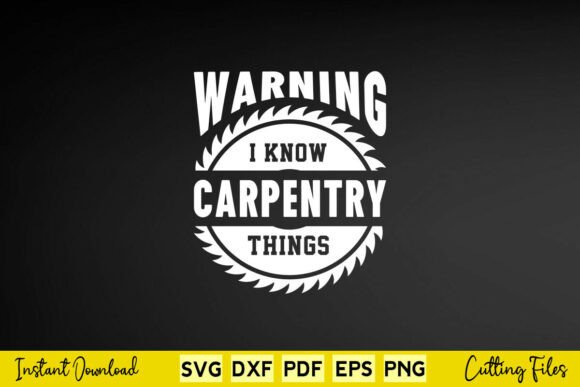
The immediate appeal of Warning I Know Carpentry Things Funny lies in its bold, declarative nature. The typography suggests a rugged, industrial aesthetic that aligns perfectly with the woodworking theme. For an embroidery designer, the layout presents both opportunities and challenges. The text-heavy composition requires careful attention to stitch density to ensure legibility without creating a stiff, cardboard-like feel on the garment. The mood is lighthearted yet professional, making it an excellent candidate for personalized gifts for contractors, DIY enthusiasts, or fathers who pride themselves on their workshop skills.
When viewing this as a piece of Crafts media, the clean lines suggest it could work well with satin stitch borders or simple fill stitches for the lettering. However, because the original product description highlights it as an SVG for printing on items like t-shirts and mugs, we must adapt our expectations. A printed SVG does not account for needle penetration or fabric stretch. Therefore, treating this as a raw design asset requires us to mentally convert those vector paths into viable embroidery structures.
Real-World Application Scenarios
To test the viability of this design, I imagined several practical scenarios where it would add value to a handmade product. The most obvious application is custom apparel. Picture a high-quality cotton sweatshirt destined for a local hardware store owner. Embroidering this phrase on the left chest creates a subtle, professional branding element that sparks conversation. Alternatively, placing it on the back of a durable canvas apron transforms a standard work tool into a personalized gift with personality.
Beyond apparel, consider home goods. A sturdy tote bag featuring this design makes for a fantastic market-day accessory for someone who frequents lumber yards or craft fairs. The rugged theme pairs well with natural fibers like linen or heavy cotton duck. In these contexts, the design serves not just as decoration, but as a badge of identity. For Etsy sellers and small shop product creators, offering this on niche items like tool roll covers or workshop towels can differentiate your inventory from generic mass-produced goods.
Technical Considerations for Stitching
Transitioning from a digital SVG to a physical embroidery file requires technical diligence. Since the source material is a vector graphic intended for printing, you cannot simply auto-digitize it without risk. Here are the critical factors I noted during my evaluation:
- Stitch Type Selection: For the lettering, a combination of satin stitch for larger characters and running stitch for finer details often yields the best clarity. Avoid overly dense fill stitches in small text areas, as they can cause puckering.
- Fabric Texture and Stability: This design performs best on stable, medium-to-heavy weight fabrics. Thin or stretchy materials may distort the text unless a high-quality cut-away stabilizer is used. Always test on scrap fabric first to gauge how the thread interacts with the weave.
- Color Contrast: The humor relies on readability. Use high-contrast thread colors against the fabric background. For example, dark brown or black thread on a tan canvas apron, or white thread on a navy hoodie, ensures the message pops.
- Hoop Size Constraints: Verify the total dimensions of your digitized version. If the phrase is long, it may require a large hoop, which limits placement options on smaller items like caps or baby clothes.
Navigating Potential Pitfalls
While the concept is strong, there are areas where caution is necessary. The original description mentions use on stickers and mugs, which are irrelevant to embroidery, but it also lists pillows and sweaters. Embroidering on a pillow cover requires careful handling of the backing to prevent scratchiness against the skin. Similarly, on a sweater, the nap of the fabric can obscure fine details. If the digitized version of Warning I Know Carpentry Things Funny has tiny serifs or intricate corners, they may get lost in the pile of a fleece or wool blend.
Another concern is the curvature of surfaces. Applying this design to a cap or a curved mug sleeve (if using specialized embroidery frames) demands precise underlay stitching to prevent shifting. For commercial embroidery projects where consistency is key, I recommend creating a printable mockup to visualize the scale before committing to production runs. This helps manage client expectations regarding size and detail.
Enhancing Product Value and Brand Trust
From a business perspective, the quality of the stitch-out directly impacts customer trust. A poorly digitized version of this design can look amateurish, undermining the perceived value of the finished product. Conversely, a clean, well-balanced embroidery elevates the item from a simple commodity to a boutique-quality piece. For creative entrepreneurs, this means investing time in proper digitization or purchasing a pre-digitized file from a reputable source rather than relying on auto-generated outputs from SVGs.
When used correctly, this design enhances brand consistency for shops specializing in rugged, handmade, or hobbyist-themed goods. It signals that the seller understands the culture of their customers. Whether it is part of a holiday embroidery collection for Father’s Day or a year-round staple for workshop enthusiasts, the emotional connection drives buyer engagement.
Final Designer Notes
Before integrating Warning I Know Carpentry Things Funny into your catalog, take these final steps:
- Confirm the licensing terms. Since the original product is sold as a digital SVG for printing, ensure you have the right to use the design for commercial embroidery sales. Many SVG licenses do not automatically cover embroidered goods.
- Check for existing digitized versions. If you are not a digitizer, look for a dedicated digital embroidery file created by a professional, rather than converting the SVG yourself.
- Test washability. Ensure the threads and stabilizers used can withstand the frequent washing that workwear and kitchen items endure.
In conclusion, while Warning I Know Carpentry Things Funny starts as a simple graphic, its potential in the world of embroidery is significant. With careful attention to stitch density, fabric choice, and licensing, it can become a standout element in your craft business offerings. Treat it not just as a image to be stamped, but as a texture to be woven into the fabric of your customer’s daily life.