Reviewing Bring on the Christmas Cheer Wine Bag
As a designer who has spent countless hours digitizing and testing machine embroidery design files, I approach every new asset with a mix of curiosity and skepticism. We all know that what looks crisp on a screen does not always translate well to thread and fabric. When I first pulled up Bring on the Christmas Cheer Wine Bag, my immediate goal was to determine if this was merely a cute graphic or a viable component for a high-quality finished product. This review breaks down the practical application of this design from the perspective of someone who stitches, sells, and cares about the final presentation.
First Impressions and Visual Personality
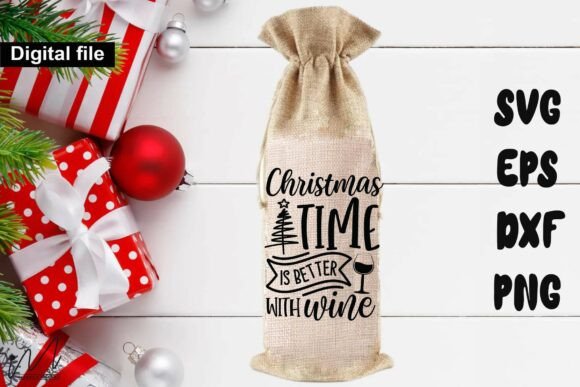
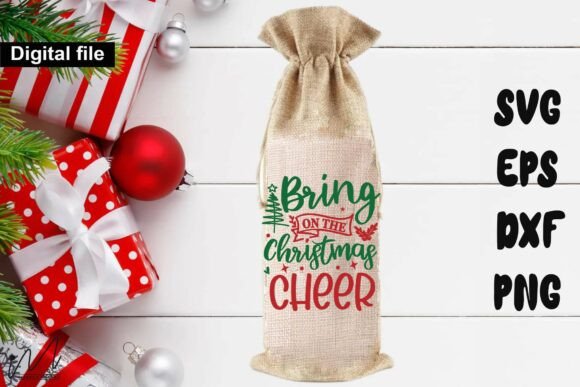
The initial mood of Bring on the Christmas Cheer Wine Bag is playful and festive without being overly cluttered. In the world of holiday embroidery, it is easy to fall into the trap of excessive detail that becomes a nightmare to stitch. This design, however, relies on bold shapes and clear lines. As a Graphics asset provided in SVG, DXF, EPS, and PNG formats, it offers flexibility, but for us embroiderers, the simplicity is its greatest strength. The layout suggests a design that will read well from a distance, which is crucial for items like tote bags or aprons where the viewer might be standing a few feet away.
The visual personality leans towards humor and relaxation. It is not trying to be elegant or traditional; it is trying to be fun. This makes it an excellent candidate for custom apparel aimed at adults, such as sweatshirts for holiday parties or aprons for hostesses who enjoy a good glass of wine while cooking. The lack of intricate micro-details means fewer thread breaks and faster production times, a significant factor for any Etsy seller or craft business owner looking to scale during the busy holiday season.
Real-World Application Scenarios
To truly evaluate a design, you must imagine it on a physical object. I visualized Bring on the Christmas Cheer Wine Bag on a few specific items to test its versatility.
- Tote Bag Design: A canvas tote is perhaps the most natural home for this graphic. The sturdy fabric supports the weight of the stitches, and the flat surface ensures the design remains undistorted. Using a fill stitch approach for the larger elements would give it a premium, textured look that buyers appreciate in a handmade product.
- Sweatshirt Embroidery: Placing this on the left chest of a fleece-lined hoodie creates a subtle yet cheeky statement piece. Here, you must be mindful of the stitch density. Too dense, and the garment will pucker; too light, and the backing might show through. This design’s open nature likely allows for a balanced density that sits comfortably on knit fabrics.
- Kitchen Towels and Aprons: For a personalized gift, stitching this onto a waffle-weave towel adds character. However, the texture of the towel can interfere with small details. Since this design appears to have bold components, it should hold up well against the uneven surface of textured linens.
Navigating Technical Challenges
While the design is forgiving, there are areas where caution is required. If you are working with stretchy fabric like jersey knits for t-shirts, proper stabilization is non-negotiable. I recommend using a cut-away stabilizer to prevent the design from distorting after washing. Additionally, because this is originally a vector graphic intended for Crafts projects, you will need to ensure your digitizing software converts the paths into efficient stitch types.
Pay close attention to any small lettering or thin lines. In embroidery, anything thinner than a standard satin stitch width can get lost or break easily. If the original SVG contains fine text, you may need to thicken those elements manually before converting them into an embroidery file. Also, consider the color contrast. On dark fabrics, light thread colors will pop, but you must ensure there is enough underlay to prevent the fabric color from bleeding through the top stitches.
Commercial Viability and Brand Consistency
For small shop product lines, consistency is key. Bring on the Christmas Cheer Wine Bag fits well within a broader collection of humorous holiday items. It appeals to a specific demographic: adults who enjoy lighthearted, relatable humor. This specificity can actually drive higher engagement on social media and in printable mockup previews. Customers often buy into the lifestyle the product represents, and this design screams "relaxed holiday hosting."
However, before listing this as a commercial embroidery item, you must verify the licensing terms. The product description states it is a funny SVG for crafts projects, but it does not explicitly outline commercial rights for stitched goods. Always confirm whether the license covers physical sales or if it is limited to personal use. This step is critical for maintaining professionalism and avoiding legal issues down the line.
Practical Designer Notes
Before committing to a full production run, follow these steps to ensure quality:
- Test on Scrap Fabric: Never stitch directly on your final garment. Use a similar fabric weight and type to check for puckering or registration issues.
- Check Thread Color Contrast: Run a simulation in your software to see how the design looks in monochrome. If it loses definition in black and white, it may lack the necessary contrast for certain fabric choices.
- Review Stitch Density: Ensure the density is appropriate for the fabric. Heavy density on thin fabric will cause damage, while light density on thick fabric may look sparse.
- Confirm Hoop Size: Measure the design dimensions against your machine’s hoop capabilities. While you can resize SVGs, resizing embroidery files can distort stitch angles and density.
- Inspect Small Details: Zoom in on the digitized version. Look for jumps, trims, or potential needle strikes that could slow down production.
In conclusion, Bring on the Christmas Cheer Wine Bag is a promising asset for designers who understand how to translate digital graphics into tactile art. It offers a blend of humor and simplicity that works well for holiday gifts and boutique branding. By paying attention to fabric choice, stabilization, and licensing, you can turn this simple graphic into a standout embroidered patch or apparel feature that customers will love. It is a reminder that sometimes, the best designs are those that allow the thread to do the talking without getting tangled in unnecessary complexity.