Reviewing Biomedical Engineering It’s Kind of a
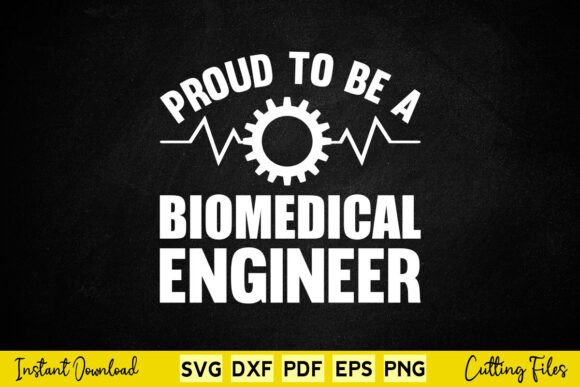
As a designer who spends half my life digitizing and the other half stitching, I have learned to look past the initial flash of a digital preview. We are constantly bombarded with new design assets, but few hold up under the needle. Recently, I pulled up Biomedical Engineering It s Kind of a to evaluate its potential for a client’s custom apparel line. This isn’t just another generic quote; it is a niche-specific statement that resonates deeply with medical engineers, BMETs, and bioengineers. My goal was to determine if this graphic translates effectively from a screen to a tangible handmade product.
The First Impression: Mood and Layout
When I first loaded the file, the immediate takeaway was its conversational tone. The phrase "it's kind of a Smart People hobby" adds a layer of witty humility that appeals to professionals who are often misunderstood. Visually, the layout balances technical pride with approachable humor. For an embroidery project, this balance is crucial. If the text is too dense, it becomes a blob of thread. If it is too sparse, it lacks impact.
The design falls squarely into the Crafts category but leans heavily into professional identity. It feels less like a casual hobbyist item and more like a badge of honor for someone who fixes MRI machines or designs prosthetics. The visual personality is clean, suggesting that it would work well with standard sans-serif fonts that prioritize legibility over flourish. This is important because intricate script can be a nightmare to stitch on textured fabrics.
Real-World Application: The Sweatshirt Test
To truly test Biomedical Engineering It s Kind of a, I imagined a real-life scenario: a custom order for a local university’s biomedical engineering club. They wanted sweatshirt embroidery for their annual conference. This is where the rubber meets the road. A t-shirt design might look fine printed, but embroidery adds dimension and weight.
I visualized placing this design on the left chest of a heavyweight cotton blend sweatshirt. The contrast between the dark fabric and bright thread colors would make the text pop. However, I had to consider the length of the phrase. Long sentences in embroidery require careful management of stitch density. If the letters are too small, the running stitch outlines might get lost in the fabric pile. If they are too large, the garment becomes stiff and uncomfortable.
This design shines in applications where the viewer has time to read it. A tote bag design is another excellent candidate. Imagine a sturdy canvas bag used by students to carry textbooks and lab notebooks. The durability of embroidery makes it superior to printing for items that undergo frequent washing and heavy use. It elevates a simple bag into a piece of custom apparel or accessory that signals belonging to a specific intellectual tribe.
Navigating Technical Challenges
While the concept is strong, the execution requires vigilance. As an experienced reviewer, I must point out where this machine embroidery design could fail if not handled correctly. The primary concern is scale. If you attempt to shrink this down for a small hoop size, such as a 4x4 inch hoop for a cap or a baby item, the legibility will suffer. The words "Smart People" and "Bioengineer" need breathing room.
For baby embroidery or small gifts, I would recommend isolating just the key iconography or abbreviating the text, if the license permits modification. Otherwise, stick to larger surfaces like pillow covers, aprons, or adult-sized garments. Textured fabrics also pose a challenge. On a fuzzy fleece or terry cloth towel, fine details can disappear. In these cases, using a fill stitch background or a bold satin stitch border can help define the edges.
Another critical factor is the stabilizer. For a design with this much text, a cut-away stabilizer is often safer than tear-away, especially on stretchy fabrics like jersey knits used in t-shirts. Without proper support, the fabric may pucker around the letters, distorting the message and ruining the professional look of the finished product.
Commercial Viability for Etsy Sellers
For Etsy sellers and small shop owners, this design offers a clear target audience. Niche markets often convert better than broad ones. People searching for "BMET gift" or "Medical Engineer present" are looking for something specific. This digital embroidery file fills that gap. It allows crafters to create high-value personalized gift items without needing to digitize from scratch.
However, commercial success depends on presentation. When listing this as a small shop product, use high-quality printable mockup images that show the texture of the stitches. Buyers need to see how the thread interacts with the fabric. Show it on a mug wrap if you are doing sublimation, but emphasize the embroidered version for textile products. The perceived value of an embroidered item is higher than a printed one, allowing for a better profit margin.
Be mindful of licensing. The product description mentions it is an SVG for print, but if you are using it for embroidery, ensure you have the rights to sell the commercial embroidery finished goods. Always verify the terms before listing items on your store. Trust is paramount in the handmade community, and respecting intellectual property builds long-term customer loyalty.
Practical Designer Notes
Before you commit to a full production run, follow these steps:
- Test on scrap fabric: Never stitch directly on the final garment. Use a similar weight and texture to check for puckering.
- Check thread contrast: Ensure your thread colors stand out against the fabric. A dark thread on a dark shirt will be invisible.
- Review stitch density: If the design feels too heavy, reduce the density in your editing software to prevent stiffness.
- Inspect small details: Zoom in on the digital file. Are there any tiny elements that might break during stitching?
- Confirm hoop size: Make sure your machine’s hoop can accommodate the full width of the design without repositioning.
In conclusion, Biomedical Engineering It s Kind of a is a solid addition to any designer’s library of Graphics for niche apparel. It requires thoughtful handling regarding scale and fabric choice, but when executed well, it creates a durable, professional, and engaging product. Whether for a holiday gift, a conference souvenir, or a boutique listing, it bridges the gap between technical profession and personal style.