Retired Engineer Not My Problem Anymore: A Designer’s Review
As an embroidery designer who has spent years digitizing files and testing them on everything from stiff canvas to flimsy rayon, I approach every new machine embroidery design with a healthy dose of skepticism. We have all seen those cute SVGs that look perfect on a screen but turn into a tangled mess of thread breaks and puckering on the hoop. When I first encountered the Retired Engineer Not My Problem Anymore concept, my immediate reaction was not just about the humor, but about the technical execution required to make it work in a real-world embroidery project.
This particular piece falls under the broad categories of Crafts and Graphics, but for those of us running a craft business or selling on Etsy, it is much more than that. It is a potential bestseller if handled correctly. The phrase itself carries a specific mood: relief, humor, and a touch of professional pride. It appeals directly to a demographic that values precision but is ready to let go of the daily grind. But does the design hold up when you are trying to stitch it onto a curved surface like a cap or a textured fabric like a towel? Let’s break it down.
First Impressions and Visual Personality
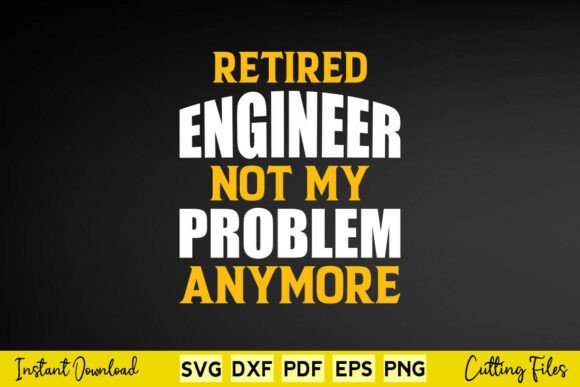
The layout of this design is crucial. In my experience, text-heavy designs for engineers need to balance readability with aesthetic appeal. If the font is too thin, it disappears on dark fabrics. If it is too bold, it becomes stiff and uncomfortable to wear. The Retired Engineer Not My Problem Anymore design typically relies on clean lines and strong typography. This is good news for digitizers and end-users alike because clean lines translate well into satin stitch borders or simple running stitch outlines.
The visual personality here is casual yet structured. It does not try to be overly ornate, which fits the target audience perfectly. An engineer retiring does not want frills; they want clarity. This simplicity makes it versatile. It can sit comfortably on a rugged tote bag design meant for hardware store runs or on a soft baby embroidery item for a grandchild’s gift, although the latter would require a significant size adjustment.
Real-World Application: The Sweatshirt Test
To truly evaluate this digital embroidery file, I imagined a specific scenario: a custom order for a client buying a high-quality cotton blend sweatshirt for their father’s retirement party. The goal was sweatshirt embroidery that looked professional, not like a homemade afterthought.
When placing this design on the left chest area, the scale matters immensely. If the text is too small, the individual letters may merge, especially if using a fill stitch background. However, if the design is optimized with proper spacing, it creates a crisp, high-value look. The humor lands immediately, sparking conversation at the party. This is where the finished product gains value beyond the cost of the blank garment. It becomes a personalized gift with emotional resonance.
I also considered using this on a embroidered patch. Patches are trending heavily among Etsy sellers and small shop owners. A dense, well-digitized version of this phrase could be stitched onto twill, cut out, and sold as a standalone accessory. This expands the utility of the design assets beyond just direct-to-garment applications.
Navigating Fabric and Hoop Constraints
While the design is strong, there are areas where caution is necessary. As a reviewer, I must point out that not all fabrics behave the same. If you are attempting this on a textured fabric like a waffle-knit thermal or a plush towel, the smaller details might get lost. In these cases, increasing the stitch density slightly or choosing a contrasting thread colors scheme is vital.
For custom apparel made from stretchy materials, such as performance polos often worn by technical staff, stabilization is non-negotiable. Without a proper cut-away stabilizer, the weight of the text can cause the fabric to pucker, ruining the clean lines that define this graphic. Additionally, if you are working with a small hoop size, you may need to split the design or reduce the font size, which risks legibility. Always check the dimensions provided in the file package against your machine’s capabilities.
Dark fabrics present another challenge. If the design relies on fine lines, they may vanish against black or navy blue. I recommend running a test stitch on scrap fabric first. Use a light-colored thread for the main text and perhaps a subtle accent color for any graphical elements. This ensures the handmade product looks polished and intentional.
Commercial Viability and Brand Consistency
For small shop product lines, consistency is key. This design fits well into a broader collection of retirement-themed items. It pairs nicely with other profession-specific graphics, allowing you to build a cohesive brand identity. Whether you are creating holiday embroidery gifts for December retirees or summer send-offs, the versatility of this graphic allows it to adapt.
However, since this is described as a digital product intended for printing on items like mugs and stickers as well, we must distinguish between print and stitch. As an embroidery reviewer, I focus on the stitch aspect. Ensure that the file you purchase is actually an embroidery file (such as PES, DST, or JEF) and not just an SVG for cutting machines. While SVGs are great for vinyl, they do not contain the stitch data needed for embroidery machines. Always verify the file formats before purchasing.
Practical Notes for the Maker
Before you list this as a commercial embroidery item in your store, take these practical steps:
- Test on Scrap: Never stitch a final product without a trial run. Check for thread breaks and tension issues.
- Check Licensing: Confirm whether the license allows for unlimited physical sales. Some designers restrict the number of finished items you can sell.
- Contrast Check: View your design in black and white mockups to ensure the shape holds up without color reliance.
- Stabilizer Choice: Match your stabilizer to your fabric weight. Heavy denim needs different support than lightweight cotton.
- Needle Selection: Use a fresh needle appropriate for the thread type to prevent shredding, especially with dense text areas.
In conclusion, the Retired Engineer Not My Problem Anymore design is a solid contender for your next craft business venture. It speaks to a specific audience with humor and clarity. By paying attention to fabric choice, stabilization, and stitch quality, you can transform this digital asset into a high-quality printed mockup or tangible finished product that customers will cherish. It is not just a graphic; it is a statement piece that, when executed with care, reflects the professionalism of the maker and the personality of the wearer.