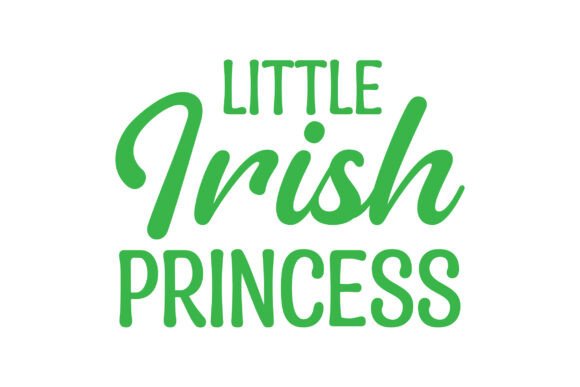
Little Irish Princess SVG Design Review
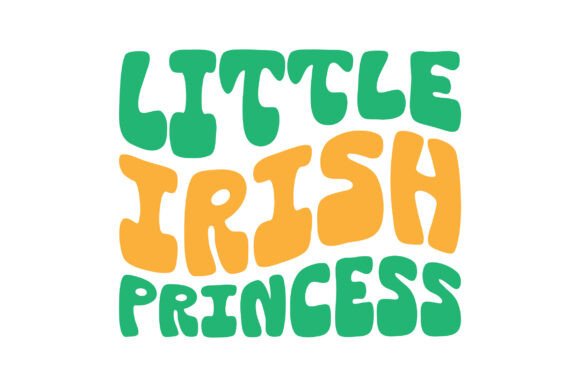
As a designer who has spent years navigating the fine line between digital art and tangible stitched goods, I approach every new asset with a critical eye. When I first opened the Little Irish Princess SVG Design, my immediate reaction was one of cautious optimism. The theme is timeless, evoking the charm of St. Patrick's Day, Celtic heritage, or simply a whimsical nod to Irish culture. However, the transition from a crisp vector file on a screen to a textured finished product is where many designs fail. This review breaks down how this specific graphic holds up under the scrutiny of real-world embroidery applications.
First Impressions: Mood and Visual Personality
The visual personality of the Little Irish Princess SVG Design is undeniably sweet and approachable. It leans heavily into the "cute" aesthetic, which is perfect for the Crafts category but requires careful handling in professional settings. The layout suggests a central focal point, likely a character or motif surrounded by decorative elements typical of Graphics intended for cutting machines like Cricut or Silhouette. While the description highlights its compatibility with cutting software, an experienced embroiderer knows that what works for a blade does not always translate perfectly to a needle.
In terms of mood, the design feels festive yet gentle. It screams personalized gift potential. Imagine a nursery setting where soft pastels meet green accents; this design fits right in. However, the level of detail in the original vector is crucial. If the design relies on tiny, intricate lines to define facial features or clothing details, those will be the first things to suffer when converted to a machine embroidery design. The challenge lies in maintaining the character's charm without creating a muddy mess of thread.
Real-World Application: From File to Fabric
Let's move beyond the screen and discuss a practical scenario. Picture yourself preparing a custom embroidered patch for a boutique shop or a personalized tote bag design for a local craft fair. You load the Little Irish Princess SVG Design into your digitizing software. Here is where the rubber meets the road. For a sweatshirt embroidery project, the bulk of the fabric can hide minor imperfections, but the stitch density becomes paramount. If the design is too dense, it will pucker the heavy cotton blend, ruining the drape of the garment.
I recently considered using a similar character design for a baby embroidery project, specifically a onesie. In this context, safety and comfort are non-negotiable. The back of the embroidery must be smooth. If the Little Irish Princess SVG Design includes sharp points or excessive fill stitch areas, it could irritate sensitive skin. Conversely, if used on a sturdy canvas tote bag, the design can handle more texture. A tote bag design allows for bolder thread colors and heavier stabilizer use, making the character pop against the natural beige background. The versatility of this graphic makes it suitable for custom apparel, but the execution depends entirely on the substrate you choose.
Navigating Complex Surfaces and Textures
One area where caution is required is with curved surfaces. If you attempt to apply this design to a cap or a mug (as suggested in the product description), the curvature distorts the image. The Little Irish Princess SVG Design needs to be simplified significantly for these applications. On a flat surface, the eyes might look symmetrical, but on a curved brim, perspective shifts. Furthermore, textured fabrics like fleece or linen can interfere with the precision of the stitches. The fabric texture might cause the needle to skip or the thread to sit unevenly, blurring the fine lines of the princess's crown or dress.
For holiday embroidery projects, such as a pillow cover or a kitchen towel, the design shines. These items are typically made of stable, woven fabrics that hold stitches well. A tea towel featuring this design would make a delightful hostess gift. The key here is contrast. Using bright emerald greens and golds against a white background ensures high visibility. However, on dark fabrics, you will need a significant amount of underlay to prevent the base color from bleeding through the top stitching. Always test your thread colors against your chosen background before committing to a full run.
Practical Designer Notes for Success
To ensure the Little Irish Princess SVG Design performs well, follow these practical steps. First, never skip the test run. Stitch the design on scrap fabric that matches your final project material. Check the stitch density closely. Are there gaps in the fill? Is the satin stitch too tight, causing puckering? Adjustments in tension and speed may be necessary.
Second, pay attention to the hoop size. Even if the digital file is small, the physical hoop might require more space than available on a delicate item like a baby sock or a narrow strap of a handbag. If the design is too large for the hoop, consider breaking it into smaller sections or scaling it down, though scaling down too much risks losing definition.
Third, stabilize properly. The type of stabilizer you use can make or break the project. For stretchy knits used in apparel decorators projects, a tear-away or cut-away stabilizer is essential to maintain shape. Without it, the elasticity of the fabric will distort the Little Irish Princess SVG Design during the stitching process.
Finally, consider the commercial implications. If you are an Etsy seller or running a craft business, verify the licensing. Can you sell the finished handmade product? Can you resell the digital embroidery file? Understanding these terms protects your business. Also, create printable mockups to show customers exactly how the design looks on different items. Visual clarity builds customer trust and increases buyer engagement.
Final Verdict on Value and Versatility
The Little Irish Princess SVG Design offers solid value for designers looking to expand their portfolio with seasonal or thematic assets. Its strength lies in its adaptability across various mediums, from birth announcements to commercial embroidery merchandise. However, it is not a "load and go" solution. It demands a skilled hand to translate the vector lines into beautiful, durable stitches.
For the hobbyist, it provides hours of creative fun. For the professional, it is a viable asset for small shop products if executed with care. By respecting the limitations of the medium and testing thoroughly, you can turn this graphic into a standout piece that enhances your brand consistency and delivers a high-quality finished product. Whether it ends up on a cozy blanket, a stylish apron, or a cherished keepsake, the success of the project rests on your ability to bridge the gap between digital artistry and textile craftsmanship.