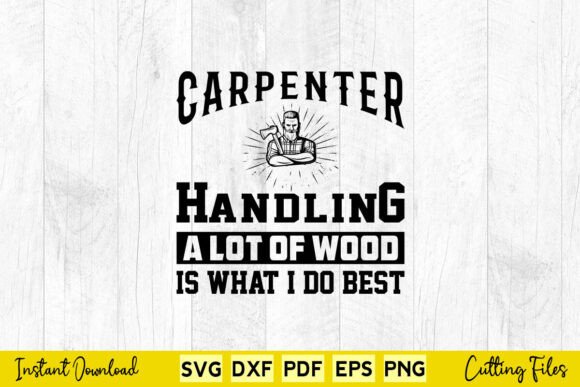
Carpenter Handling a Lot of Wood: A Designer Review
As someone who has spent years navigating the intersection of digital graphics and physical thread, I approach every new design asset with a critical eye. The market is flooded with Graphics that look stunning on a screen but fall apart under the tension of an embroidery hoop. Today, I am evaluating the Carpenter Handling a Lot of Wood design. This piece promises to be a statement maker for those in the woodworking niche, but does it translate well from a digital file to a tangible, stitched masterpiece? Let's dive into the practical realities of using this design for real-world projects.
First Impressions: Mood and Visual Weight
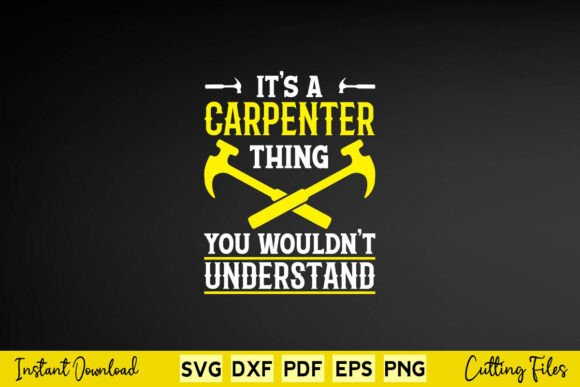
When I first opened the preview for Carpenter Handling a Lot of Wood, the immediate vibe was one of rugged authenticity. The phrase "What i do Best" paired with the imagery of a carpenter managing timber creates a narrative of skill and hard work. Visually, the layout feels balanced, avoiding the common pitfall of being too top-heavy or cluttered. For a craft business owner looking to sell items to tradespeople, this visual personality is exactly what builds trust. It doesn't feel like a generic clip-art; it feels like a badge of honor.
However, the density of the wood textures in the graphic raises an immediate question about stitch count. In machine embroidery, heavy fill areas can sometimes cause puckering if the stitch density isn't optimized. As a reviewer, my instinct is to check how the software handles the conversion of these complex shapes into fill stitch patterns. If the design relies too heavily on tiny details within the wood grain, it might get lost when stitched onto a textured fabric like a heavy canvas tote bag.
Real-World Application: From Hoop to Finished Product
Let's imagine a specific scenario: You are preparing a custom embroidered sweatshirt for a local hardware store holiday giveaway. The goal is to create a high-quality personalized gift that recipients will actually wear. When I visualize Carpenter Handling a Lot of Wood on a dark grey fleece sweatshirt, the contrast becomes a key factor. Using bright orange or deep blue thread colors against the dark background would make the carpenter figure pop, ensuring the design remains legible even from a distance.
This design also lends itself beautifully to embroidered patches. Imagine creating a limited run of patches for a woodworking guild. The sturdy nature of the image suggests it could handle the backing material required for iron-on patches without losing definition. For an Etsy seller focusing on handmade goods, offering this as a patch option expands your product line beyond just apparel. It allows customers to attach their pride in craftsmanship to tool belts, denim jackets, or even backpacks.
Another strong use case is the tote bag design. Canvas totes are a staple for craft fairs and small shop merchandise. The durability of the fabric pairs well with the robust theme of the carpenter. However, you must ensure the hoop size accommodates the full width of the design. If the carpenter and the wood pile are wide, you might need a 10x10 inch hoop or larger to avoid stitching off-center, which can ruin the symmetry of the final piece.
Navigating Fabric Challenges and Limitations
While Carpenter Handling a Lot of Wood is versatile, it is not without its challenges. One area where caution is required is with thin or stretchy fabrics. If you attempt to stitch this design on a lightweight t-shirt without the proper stabilizer, the weight of the thread could distort the fabric, making the "wood" look warped rather than solid. Always test the design on scrap fabric first to gauge how much pull the threads exert.
Textured fabrics like thick wool sweaters or ribbed knit caps also present a hurdle. The intricate lines of the carpenter's tools or the edges of the wood planks might get swallowed by the fabric's texture. In such cases, simplifying the design or opting for a satin stitch outline instead of a dense fill might yield better results. Additionally, curved surfaces like baseball caps require careful digitizing to prevent the straight lines of the wood from looking jagged. If the original embroidery file does not account for curve compensation, the finished product may look distorted.
Dark fabrics are another consideration. While they offer great contrast, they require more thread coverage to hide the background color. If the design has large open spaces, the black fabric might show through, diminishing the visual impact. Testing the design in a printable mockup before committing to actual thread is a crucial step for any professional decorator.
Design Integrity and Commercial Viability
For those running a commercial embroidery service, the professionalism of the finished product directly impacts customer trust. Carpenter Handling a Lot of Wood has the potential to elevate a brand if executed correctly. The clarity of the imagery ensures that the message "What i do Best" is readable, which is essential for branding purposes. Whether it's for a workshop apron, a nursery decor item for a future builder, or a holiday gift for a DIY enthusiast, the design maintains its integrity across various applications.
However, as a digital product seller, you must verify the licensing terms before selling items featuring this design. Since the description mentions it is a digital product available for download, it is vital to confirm whether the license permits commercial use of the finished goods. Many designers restrict the sale of finished products made from their files unless a specific commercial license is purchased. Ignoring this can lead to legal issues that could shut down a small shop overnight.
Furthermore, the design's adaptability plays a role in buyer engagement. Customers appreciate designs that feel unique yet relatable. The carpenter theme taps into a specific community identity, making it highly giftable. When presented as a high-quality handmade product with clean stitching and vibrant colors, it signals value. Conversely, poor execution—such as loose threads or misaligned elements—can damage your reputation as a skilled artisan.
Practical Tips for Embroidery Designers
- Test on Scrap Fabric: Before stitching your final order, run a test on the exact fabric you plan to use. Check for puckering and alignment.
- Check Thread Contrast: Ensure the thread colors stand out against the background. Use a light box or digital tool to simulate the look.
- Review Stitch Density: If the design appears too heavy, consider reducing the density in your embroidery software to prevent fabric distortion.
- Confirm Hoop Size: Measure the design dimensions against your machine's maximum hoop capacity to ensure it fits without cropping.
- Inspect Small Details: Zoom in on the preview to see if tiny elements like tool handles or text are clear enough to stitch at the intended size.
- Use Proper Stabilizer: Invest in a tear-away or cut-away stabilizer depending on the fabric type to support the weight of the design.
- Verify Licensing: Always read the terms of use for the digital embroidery file to ensure you have the right to sell the finished items.
Final Thoughts on Craftsmanship
In conclusion, Carpenter Handling a Lot of Wood is a compelling addition to any designer's library of design assets. It captures the spirit of manual labor and creativity, making it a perfect fit for custom apparel and personalized gifts within the Crafts category. Its success, however, depends entirely on the skill of the embroiderer and the quality of the materials used. By paying attention to detail, choosing the right fabrics, and respecting the technical requirements of the machine, you can turn this digital graphic into a cherished physical object.
Whether you are a hobbyist creating a one-off gift or a business owner scaling up your small shop product line, this design offers a solid foundation. Just remember that the difference between a good design and a great one often lies in the preparation and execution. Take the time to test, adjust, and refine, and your finished product will speak volumes about your dedication to quality.